Trigger Point Dry Needling in San Antonio & Surrounding Areas
Alamo Mobile Chiropractic offers dry needling as a powerful complementary therapy for pain relief, muscle recovery, and improved function — delivered directly to your home or workplace throughout San Antonio. If you're dealing with stubborn muscle pain, trigger points, or a condition that hasn't fully responded to other treatments, dry needling may be exactly what your body needs.
Our licensed chiropractor is trained in trigger point dry needling and integrates this technique seamlessly with chiropractic adjustments and soft tissue therapies to deliver comprehensive, multi-dimensional pain relief.
What Is Dry Needling?
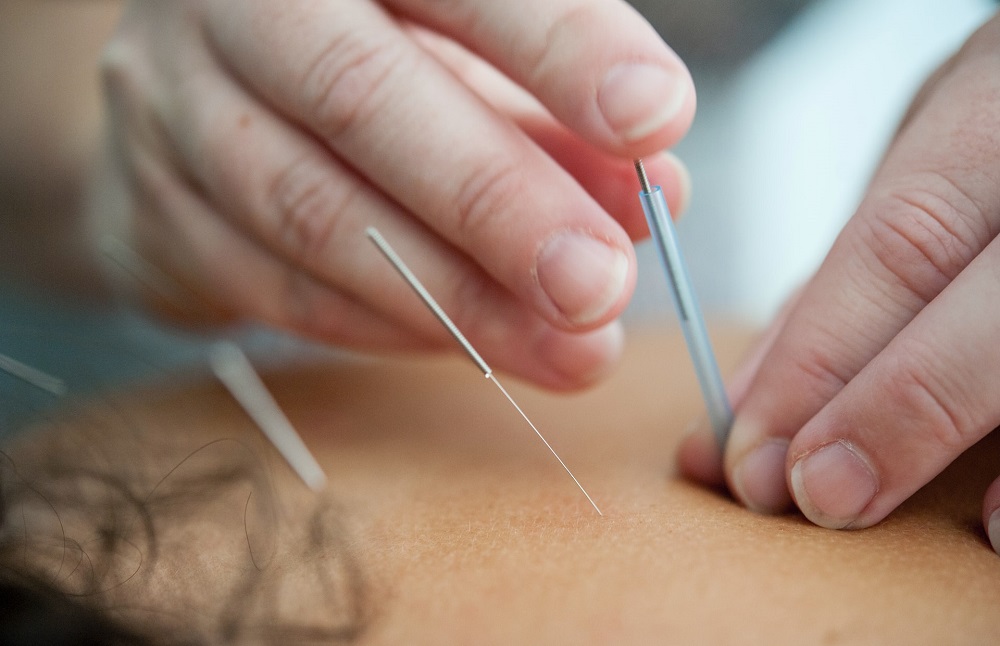
Dry needling is a minimally invasive therapeutic technique that uses thin, sterile monofilament needles — identical to those used in acupuncture — to target myofascial trigger points (commonly known as "knots") within muscle tissue. Unlike acupuncture, which is rooted in traditional Chinese medicine, dry needling is based on modern Western anatomy, neurophysiology, and musculoskeletal science.
When a needle is inserted into an active trigger point, it produces a localized twitch response in the muscle. This twitch response:
- Disrupts the abnormal electrical activity sustaining the trigger point
- Increases local blood flow and oxygen delivery to the area
- Reduces the concentration of inflammatory chemicals causing pain
- Promotes muscle relaxation and restores normal length and function
- Stimulates the release of endorphins and other natural pain-relieving compounds
Conditions Dry Needling Can Help
Dry needling is effective for a wide range of musculoskeletal conditions, including:
- Chronic muscle pain and tightness throughout the back, neck, and shoulders
- Myofascial pain syndrome — widespread trigger point pain
- Tension headaches and migraines stemming from cervical and suboccipital trigger points
- Sports injuries — hamstring strains, rotator cuff issues, IT band tightness
- Tendinopathies — Achilles tendinitis, patellar tendinitis, tennis elbow
- Plantar fasciitis — heel and foot pain
- Temporomandibular joint (TMJ) dysfunction
- Post-surgical or post-injury scar tissue and adhesions
- Sciatica and piriformis syndrome with a muscular component
- Hip flexor tightness and lower extremity issues
Dry Needling Combined with Chiropractic Care
Dry needling and chiropractic adjustments are highly complementary therapies. While chiropractic care restores proper joint alignment and nerve function, dry needling targets the soft tissue component — releasing the muscular tension and trigger point activity that can prevent adjustments from holding and limit full recovery. Together, they create a synergistic effect that accelerates healing and produces more lasting results than either modality alone.
Frequently Asked Questions
Does dry needling hurt?
Most patients feel minimal discomfort during needle insertion. When the needle contacts an active trigger point, a brief local twitch response or a dull aching sensation is common — this is actually a sign that the technique is working. Any discomfort during the procedure is typically short-lived, and most patients report feeling significant muscle relaxation during and after treatment.
Is dry needling the same as acupuncture?
No. While both use similar thin needles, they differ in philosophy, training, and application. Acupuncture is based on traditional Chinese medicine principles involving energy pathways (meridians). Dry needling is based on Western anatomical and physiological science, specifically targeting myofascial trigger points to release muscle dysfunction and pain.
How many dry needling sessions will I need?
The number of sessions depends on your condition and how your body responds to treatment. Some patients experience dramatic relief after a single session; others with chronic or complex conditions benefit from a series of treatments. We'll assess your response and adjust the plan accordingly.
Is dry needling safe?
Yes. When performed by a trained practitioner using sterile, single-use needles, dry needling is a safe and well-tolerated procedure. We discuss your health history before treatment to identify any contraindications and ensure the approach is appropriate for you.
Can dry needling be combined with my chiropractic adjustment in the same visit?
Yes, and we frequently combine dry needling with chiropractic adjustments in the same visit for enhanced results. We'll recommend the most effective combination of therapies based on your individual condition and treatment goals.
What should I expect after a dry needling session?
It's common to experience some muscle soreness in the treated area for 24–48 hours after a session — similar to the soreness felt after a good workout. Staying hydrated, applying gentle heat, and light stretching can help ease any post-treatment soreness. Most patients notice meaningful improvement in pain and mobility following this brief recovery period.